
Objective Analysis: Everything You Should Know About Turbo Problems in Your Car’s Engine
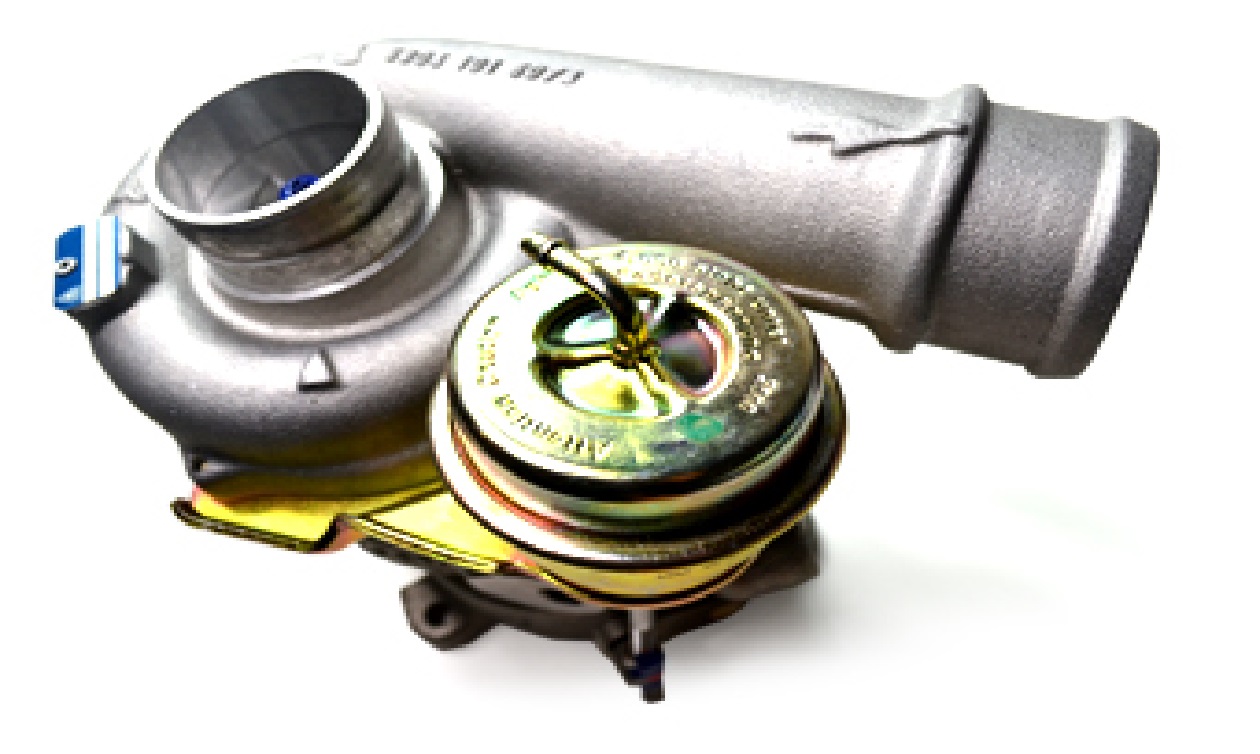
Turbocharging is being used in an increasing number of automobile engines. As a result, some drivers may encounter turbo problems for the first time. A turbo is a device that can equal the power of a bigger device by a smaller and more fuel-efficient engine.
Turbos must operate at high speeds, high temperatures, and high pressures to perform their magic, making them prone to failure. However, if a turbo fails, the engine will not necessarily shut down.

What exactly is a turbo engine?
Because of the way it operates, a turbocharged engine is also known as a forced induction engine. When fuel is burned in an engine, gases are produced. These are often released into the atmosphere via the exhaust pipe. These gases travel to the turbocharger before exiting a turbocharged vehicle.
The gases collide with the blades of a turbine, forcing it to spin at breakneck speed. This turbine drives an air compressor, which draws in air from the outside. It compresses the air to significantly higher pressures than atmospheric pressure. This oxygen-rich air is then pushed into the cylinders of the engine (hence forced induction). It causes the fuel to burn more fully and effectively. This allows the engine to produce greater power than a non-turbo engine of the same size.
What are the most serious issues with turbos?
Turbos typically spin at speeds in excess of 100,000rpm, therefore lubrication is critical. If not enough oil goes to the turbo, the turbo bearing may fail, causing the turbo to seize.
Foreign bodies create issues with turbochargers. It may be dust or microscopic metal particles, but whatever it is, it can cause the turbo to spin more slowly and cause a loss of power.
Turbos also rely on a network of sensors that provide data regarding pressures, temperatures, and the proportion of air sucked in to the car’s principal computer. Any of these sensors can identify a problem and cause the turbo to stop operating properly or completely shut down.
Keeping up with basic maintenance, such as changing the oil and air filters, will assist to prevent many possible problems.
Useful links
Visit eBay to buy remanufactured turbochargers.
Buy best remanufactured turbochargers on precisionturbos.co.uk.
Remanufactured Turbo Specialists NOT Reconditioned Turbos (precisionturbos.co.uk)
Mazda 3 6 CX5 CX7 Twin Turbo Bi Turbocharger 2.2d 810356 810358 150HP 188HP


