

The term twin-turbocharger and twin-turbocharger are synonymous and apply to engines that employ twin-turbochargers to improve power and output via smaller-displacement engines. That doesn’t mean there aren’t any differences when opting for a turbocharged powertrain. Turbocharged engines are classified into two types: sequential twin-turbo and parallel twin-turbo. The format and design will differ depending on the brand, but this quick overview will help you understand the differences between turbocharged engines.
Sequential Twin Turbo Engines
Sequential twin turbocharger powertrains rely on two turbochargers of varying diameters. A smaller turbocharger produces greater power at lower rpm rates by working with less exhaust flow. As you speed, a larger turbocharger generates more power via a compression valve, allowing the larger turbine to generate more power at the higher end of the range. Inline engines with sequential twin turbo configurations are common, such as the 2.0-liter TwinPower Turbo in the BMW 5 Family.
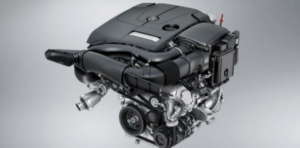
Parallel Twin Turb0Engines
Parallel twin-turbo engines are commonly mentioned in spec sheets for Biturbo engines. With this setup beneath the hood, your car will benefit from two turbochargers of the same size. Each turbocharger is allocated to a single engine bank, and the exhaust gases are split equally between the two turbochargers. In a six-cylinder engine, a parallel twin-turbo, which is most frequently associated with V-6 or V-8 engines, will allocate the first turbocharger to cylinders 1-3 and the second turbocharger to cylinders 4-6. This option reduces turbo lag.
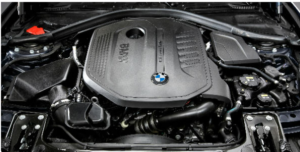
Useful links
Visit eBay to buy remanufactured turbochargers.
Buy best remanufactured turbochargers on precisionturbos.co.uk.
Remanufactured Turbo Specialists NOT Reconditioned Turbos (precisionturbos.co.uk)
Mazda 6 / CX5 Twin Bi Turbocharger 2.2d 822088- 810357 150hp-175hp


