
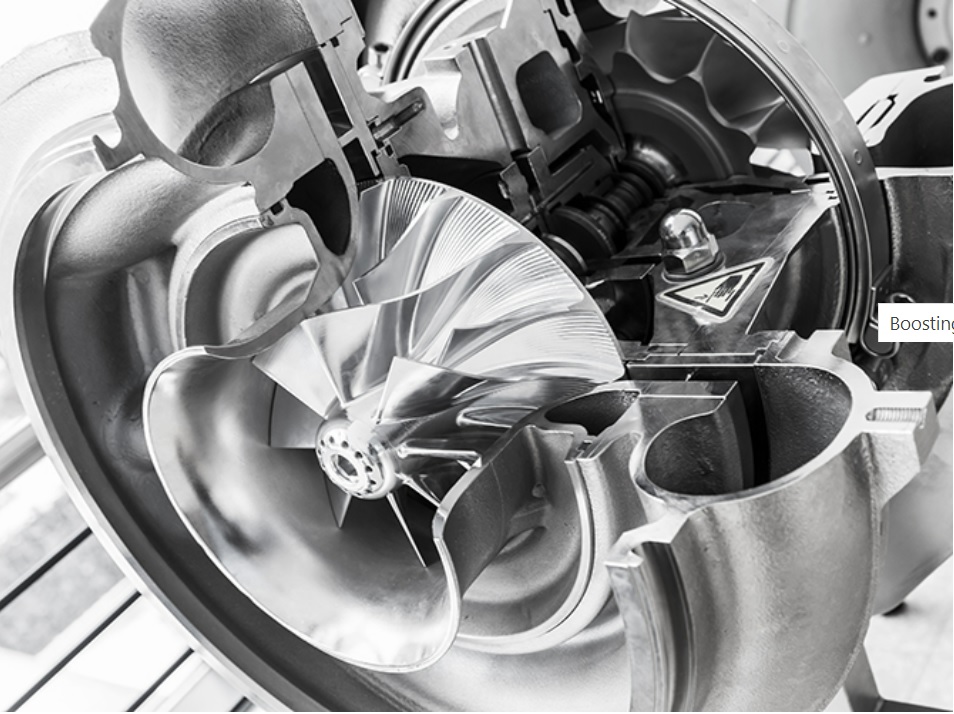
A 1.5 Turbo engine has been installed in Honda cars such as the Honda Civic Turbo, Honda Civic Si, Acura CDX, Honda CR-V, and Honda Accord. Honda’s 1.5 turbo engine offers an exciting ride while retaining all of the fuel economy benefits of a compact engine. It is a powerful engine that also consumes little gasoline. However, as wonderful as it seems, it is not without flaws. Honda 1.5 turbo issues include oil dissolving, which causes the vehicle to stall or enter limp mode, carbon accumulation, engine not warming up correctly, and a variety of other issues.
It is a very novel concept since tiny engines are fuel-efficient but lack power and torque when compared to bigger engines. However, the Honda 1.5 turbo engine defies this norm by ensuring that it can still provide power and a pleasurable ride while still providing excellent fuel economy. However, several Honda 1.5 turbo owners have noticed certain issues with their vehicles. These were some of the Honda 1.5 turbo issues that many of its consumers have reported.
- Over-dilution of oil with fuel
The most prevalent problem with Honda 1.5 turbo engines is oil dissolution. Because of the volume of reports and concerns about this issue, Honda recognised it by providing a free product update and extending the warranties on certain components.
The stench of raw petrol has been noticed by users of these vehicles both inside and outside the vehicle. The engine fluids are reported to be diluted as a result of various software settings or probable hardware problems.
It has been stated that the Honda 1.5 turbo difficulties are usually seen in areas with extremely cold weather, but there have also been claims that the same problems have been seen during the warmer months and in warm-weather regions such as Texas and California.
Excess fuel that was unable to evaporate in the combustion chamber created the oil dissolving problem. This dilutes the oil’s lubricity, which can create a variety of problems and potentially damage the engine. Although fuel dilution occurs in most engines, the Honda 1.5 turbo has significantly more oil dilution than other vehicles.
Honda examined the issue and came up with a remedy. They sent an update to the impacted Civic and CR-V models, as well as complimentary car improvements to consumers. The repair included a free product update, an oil change, and many air conditioning control unit upgrades. They also extended the warranty to six years from the purchase date, with no mileage constraints. The guarantee covers certain parts, including the camshaft, rocker-arm assemblies, and spark plugs.
These modifications are intended to address the possibility of oil over-dilution in these vehicles, which has been observed when the vehicles are driven small journeys in cold weather. Owners of impacted cars in cold-weather states have been urged to take their vehicles to shops for free repairs and software updates.
The free upgrade includes gearbox and engine software modifications that allow the engine to warm up faster. This was accomplished by altering the vehicle’s duty cycle, CVT management, and air-conditioning procedures to assist the engine is warming up faster and maintaining heat.
To minimise over-dilution of oil with gasoline, adhere to the manufacturer’s recommended oil replacement plan. You should also avoid prolonged idling and always let your engine warm-up before using too much power. This is because dilutions are more likely to occur when your gasoline is cold since the fuel is more likely to adhere to the cylinder walls. When you idle for an extended period, the internal engine parts cool down at a quicker pace.
Useful links
Visit eBay to buy remanufactured turbochargers.
Buy best remanufactured turbochargers on precisionturbos.co.uk.
Remanufactured Turbo Specialists NOT Reconditioned Turbos (precisionturbos.co.uk)
Audi Ford Seat Volkswagen 1.9TDI GT1749V 713673 115HP 713672 Turbocharger Turbo


